
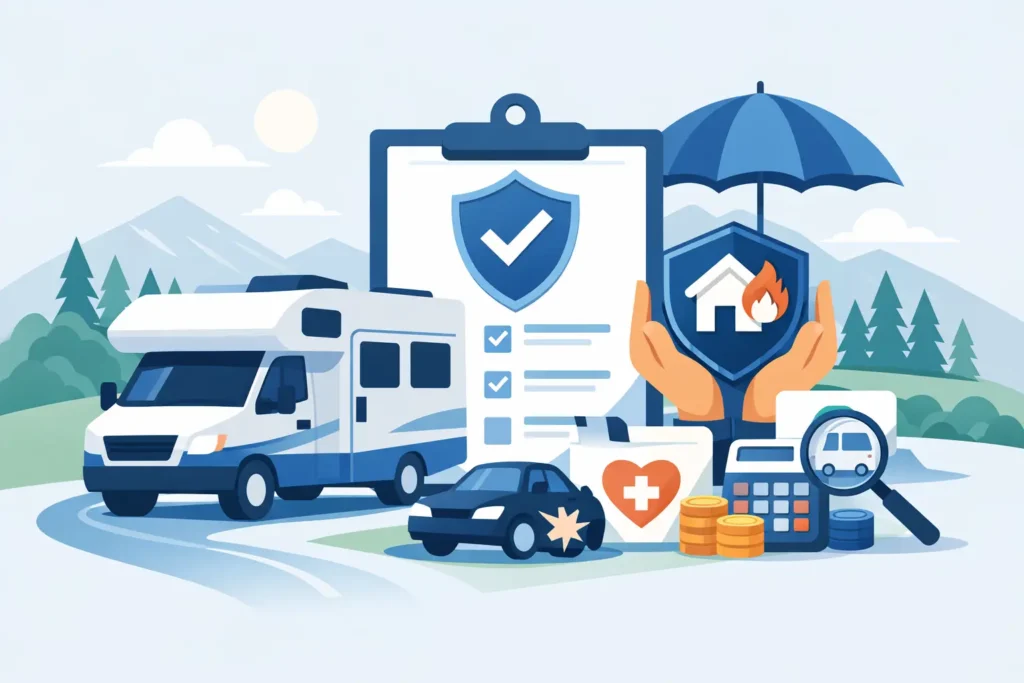
Your RV is no longer just the vehicle that gets you to the campground. It is where you sleep, cook, work, keep your belongings, and welcome family. That changes the conversation around full time rv insurance coverage. A basic recreational RV policy may work for occasional trips, but people who live in their motorhome, travel trailer, or fifth wheel need to look more closely at the protection behind the policy.
The right plan is not about buying every available add-on. It is about matching coverage to the way you actually live. Make a Smart Move by considering what would happen if your RV were damaged, your personal property were stolen, or someone were injured at your campsite.
Why full time RV insurance coverage is different
A part-time RVer may use the unit for weekend trips, vacations, or a few seasonal getaways. In that situation, an RV policy often centers on driving risks: liability, collision, comprehensive damage, uninsured motorists, and roadside assistance.
Full-time RV living adds residential risks. Your campsite can function much like a home address, even when you move regularly. You may have visitors outside the RV, belongings stored in an attached awning area, and day-to-day exposure that goes beyond a short vacation. A standard policy can have limitations when the RV is your primary residence, so it is worth confirming that the carrier knows you live in it full time.
Not every insurer defines full-time use the same way. Some use the RV as your primary residence as the deciding factor. Others may ask how many months per year you occupy it. The details matter, especially if you split time between Texas, New Mexico, and other states.
Coverage pieces to review before you hit the road
A well-built policy starts with the coverages required by law and adds protection for the financial risks that would be hardest for you to handle alone. The exact options and limits depend on the RV type, its value, where it is kept, your driving history, and the carrier.
Liability for driving and campsite life
Auto liability is the foundation. If you cause an accident while driving, bodily injury and property damage liability may help pay for injuries or damage you are legally responsible for, up to your policy limits. State minimum limits may satisfy the law, but they can be too low after a serious accident.
Full-timer liability is a separate question worth asking about. This coverage may help if someone is injured around your parked RV or if you accidentally damage another person’s property while using the RV as a residence. Think of a guest slipping on your entry steps, a child getting hurt near your campsite, or a cooking fire that affects a neighboring site.
Some policies offer a form of personal liability similar to what homeowners insurance provides. However, what is covered, where it applies, and which situations are excluded vary by carrier. Do not assume an auto liability limit automatically protects your residential exposure.
Physical damage to the RV
Collision coverage can help with damage from an impact or rollover, while comprehensive coverage can address many non-collision losses, such as theft, vandalism, hail, fire, falling objects, or animal strikes. Both usually involve a deductible.
For full-timers, the question is not simply whether the RV is financed. Even if it is paid off, consider whether you could comfortably repair or replace it after a major loss. A hailstorm, fire, or severe accident can create a financial problem and a housing problem at the same time.
Ask how the carrier settles a total loss. Actual cash value typically reflects depreciation. Agreed value, replacement cost, or total loss replacement options may be available for certain RVs and policy types. These choices can cost more, and eligibility may depend on the RV’s age and condition, but they can make a meaningful difference after a total loss.
Personal belongings and equipment
A full-time RV often carries far more than camping chairs and cookware. Laptops, clothing, tools, televisions, small appliances, outdoor equipment, and pet supplies add up quickly. Your policy may include personal effects coverage, but the built-in limit can be lower than the value of what you actually carry.
Create a simple inventory before a claim forces you to remember everything. Take photos or video of each area of the RV, save receipts for larger purchases, and note serial numbers for electronics and tools. If you work remotely or carry equipment for a business, say so. Personal property coverage may limit or exclude business property, and a separate policy could be needed.
Also ask whether belongings are covered only inside the RV or while they are outside, in a storage compartment, or temporarily removed from the vehicle. Those details are easy to miss until they matter.
Emergency expenses after a covered loss
If a covered claim leaves your RV unlivable, you may need a hotel, meals, transportation, or a temporary rental. Some full-time policies offer coverage for additional living expenses or emergency expenses after a covered loss.
This is one of the clearest differences between recreational use and full-time use. A family on a weekend trip may be inconvenienced by an RV repair. A full-timer may suddenly need a place to live. Review the available limit, the kinds of expenses the policy recognizes, and how long benefits can continue.
Roadside assistance and towing
Roadside coverage can be a practical addition, particularly for larger motorhomes and trailers. Towing an RV is not the same as towing a passenger car. You may need a provider that can handle the RV’s size, weight, and location, plus tire service, battery help, lockout service, or fuel delivery.
Read the service limits. A low-cost roadside option can still leave you with a large bill if towing distance is limited or the RV requires specialized recovery. If you tow a car behind a motorhome, confirm how both vehicles are handled. If you pull a trailer, make sure the towing vehicle has the appropriate coverage too.
Common gaps full-timers should not overlook
Insurance works best when it is reviewed before the loss, not while filing a claim. These are four areas that deserve a direct question during your quote review:
- Water damage and maintenance: Sudden, accidental water damage may be treated differently than slow leaks, wear, rot, mold, or damage caused by poor maintenance. Inspect seals, roof components, plumbing, and slide-outs regularly.
- Campsite and location rules: Coverage can vary when the RV is parked long term, stored, used on private property, or located outside your primary state. Tell your agent where and how often you travel.
- Rental reimbursement and transportation: If the RV is in the shop, your policy may not automatically pay for a replacement vehicle or alternative lodging. Ask what is available.
- Umbrella liability: If you have significant assets, higher liability limits or a personal umbrella policy may be worth considering. Eligibility and underlying insurance requirements differ by carrier.
Weather deserves extra attention for RV owners in Texas and New Mexico. Hail, high winds, flash flooding, wildfire, and extreme heat can all affect where and how you travel. Comprehensive coverage may help with certain weather-related damage, but flood and water scenarios can be fact-specific. Explain where you park, whether you stay in high-risk areas, and how the RV is stored between trips.
How to compare full-time RV policies without getting lost
Price matters, but the lowest premium is not always the best value. Compare the deductible, liability limits, physical damage settlement method, personal effects limit, emergency living expense options, and exclusions. A policy that looks similar on the first page may respond very differently when your RV is unusable.
Be clear about your setup. Is the RV your legal residence? Do you receive mail through a mail-forwarding service? Do you travel continuously or stay in one park for months? Is it a motorhome, travel trailer, or fifth wheel? Do you have solar panels, custom upgrades, expensive accessories, or a towed vehicle? Honest details help prevent unpleasant surprises later.
This is where an independent agency can save time. Rather than calling carrier after carrier, Farpon Insurance can help compare policy options, explain the pros and cons in plain language, and help you choose coverage that fits your budget and travel plans. Con Orgullo Hablamos Español.
Before you choose a policy
Ask for the policy language or a clear explanation of how full-time occupancy is handled. Confirm the limits for liability, personal belongings, and temporary living expenses. Then choose a deductible you could pay without turning an already stressful claim into a financial setback.
Life on the road should feel free, not fragile. A quick conversation now can help you leave the campground, cross the state line, or settle in for the season knowing your home on wheels has protection built for the way you live.