
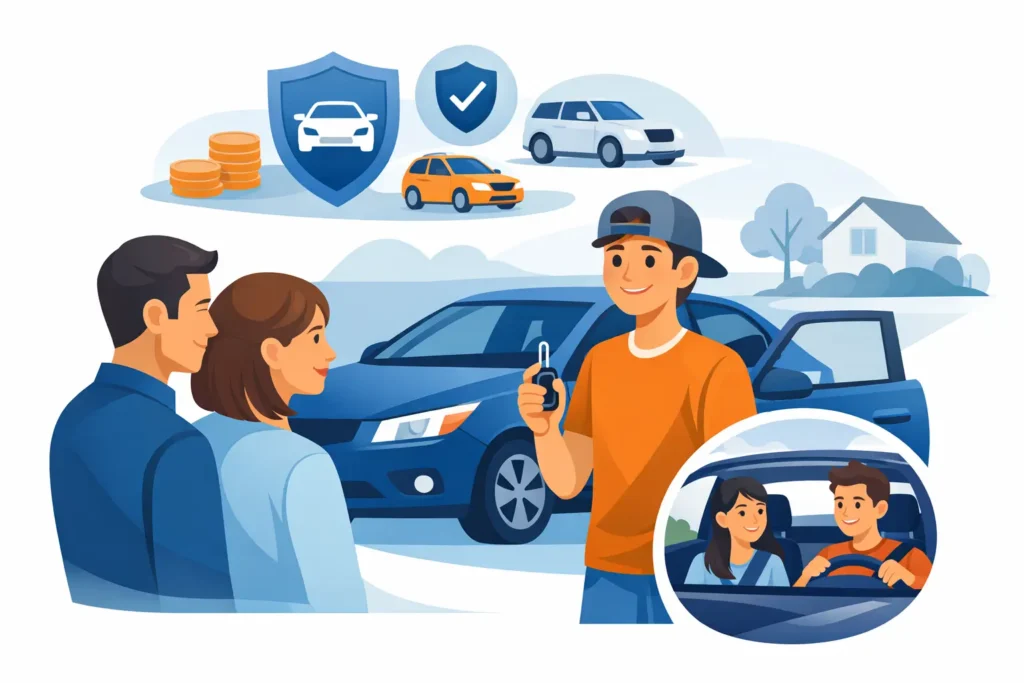
The first time your teenager backs out of the driveway alone, the worry is not just about the car. It is about other drivers, busy intersections, unexpected weather, and what happens if one split-second mistake leads to a claim. The right teen driver coverage gives your family a practical financial safety net while your new driver builds experience behind the wheel.
Adding a teen will usually increase an auto insurance premium. That is not a punishment for having a young driver. Insurers base rates on risk, and inexperienced drivers are statistically more likely to be involved in accidents. The goal is not simply to find the cheapest price. It is to choose coverage limits, deductibles, and vehicle protection that make sense for your family if the unexpected happens.
What Teen Driver Coverage Should Include
In most cases, a teen who lives at home and has access to a family vehicle should be listed on the household auto policy. Do not assume a teen is automatically covered because they have a learner’s permit or occasionally drive your car. Each insurance company has its own rules for permitted drivers, licensed drivers, and household members, so it is smart to notify your agent as soon as your teen begins driving.
The foundation of any auto policy is liability coverage. It helps pay for injuries or property damage your teen causes to others in a covered accident. State minimum limits may satisfy legal requirements, but they can be too low for a serious crash. Medical bills, vehicle repairs, lost wages, and legal costs can add up quickly. Higher liability limits often provide meaningful added protection for a reasonable increase in premium.
It also makes sense to look at uninsured and underinsured motorist coverage. Even when another driver causes an accident, that person may have little insurance or none at all. This coverage can help protect you and your family when the at-fault driver cannot pay enough for injuries or damage, subject to the policy terms and limits.
For a vehicle your family owns, collision coverage pays for damage from a crash, while comprehensive coverage addresses other covered losses such as theft, hail, fire, vandalism, or an animal strike. Whether to carry both depends on the car’s value, whether it is financed or leased, and what you could afford to replace or repair out of pocket. Lenders generally require collision and comprehensive coverage until a loan is paid off.
Texas policies may also offer personal injury protection, often called PIP, and medical payments coverage may be available depending on the policy and state. These coverages can help with certain medical expenses after an accident, regardless of who caused it. The details matter, especially for families with health insurance, so it is worth reviewing how the benefits work together rather than checking a box and moving on.
Why the Car Your Teen Drives Matters
A reliable used sedan may cost less to insure than a newer performance vehicle, a large SUV with expensive parts, or a model with a high theft rate. Safety features can help, but a vehicle is not rated on safety alone. Repair costs, horsepower, crash history, theft trends, and the price of replacement parts all affect insurance pricing.
Before buying a car for a new driver, get an insurance quote on the exact year, make, and model. A vehicle that looks like a bargain at the dealership can become more expensive once the premium is included. On the other hand, dropping physical damage coverage on an older paid-off vehicle may make sense if its value is low and your family could handle replacing it after a total loss.
This is where a quick conversation can prevent an expensive surprise. Farpon Insurance can compare options from multiple carriers and explain the tradeoffs in plain language, so you can see whether the savings are worth a higher deductible or a different coverage choice.
How to Control Cost Without Cutting the Wrong Coverage
A teen driver is a major rating change, but there are still ways to manage the premium. Good student discounts, driver training discounts, and approved telematics programs may be available through some carriers. A telematics program typically uses an app or device to measure driving habits such as braking, mileage, speed, or phone use. It can create savings for a careful driver, but families should understand what data is collected and whether unsafe habits could affect pricing.
Bundling auto insurance with homeowners or renters insurance can also lower the overall cost for qualifying households. Paying in full, selecting paperless documents, and maintaining a clean payment history may create additional savings with some insurers. Discounts vary, so ask what applies to your specific household instead of assuming every advertised discount will fit.
Raising a deductible is another common way to lower a premium. The tradeoff is simple: you will pay more yourself when you file a covered collision or comprehensive claim. A $1,000 deductible might work well for a family with emergency savings. It may be a poor fit if coming up with that amount after an accident would create real financial stress.
The coverage to be most cautious about reducing is liability. Saving a few dollars by choosing low limits can expose your family to a much larger out-of-pocket loss after a serious accident. A good policy is not the one with the lowest monthly payment. It is the one that gives you a workable plan on a bad day.
Set Clear Expectations Before the Keys Change Hands
Insurance is only one part of protecting a teen driver. A written family driving agreement can make expectations easier to understand and enforce. Keep it practical: who may ride in the car, when nighttime driving is allowed, where the phone stays while the vehicle is moving, and what happens after a ticket, accident, or unsafe decision.
Texas and New Mexico both use graduated licensing rules for younger drivers. Those rules can include passenger, nighttime, and cellphone restrictions based on age and license stage. Follow the requirements that apply to your teen, but consider making your own family rules even stricter at first. The early months of independent driving are when practice, boundaries, and honest conversations matter most.
Encourage your teen to call for help rather than drive tired, distracted, upset, or after being around alcohol or drugs. A no-questions-asked ride home can be one of the most valuable rules a family creates. You can address the details later. The immediate goal is getting your child home safely.
What to Do If Your Teen Has an Accident
Even well-prepared drivers can have an accident. Tell your teen to stop safely, check for injuries, call 911 when needed, exchange information, and take photos if it is safe to do so. They should not admit fault or argue about who caused the crash at the scene. Their job is to stay calm, cooperate with law enforcement, and contact you.
Report the incident to your insurance carrier or agent promptly. Keep copies of photos, the police report number, repair estimates, and any messages related to the accident. If another person says they were injured or an attorney contacts your family, notify the insurer right away. Waiting can complicate a claim.
An accident may affect future rates, but one incident does not automatically mean your family has no options. The impact can depend on fault, the claim amount, prior driving history, available accident-forgiveness features, and the carrier’s underwriting rules. Reviewing the policy after a claim helps you make an informed decision at renewal rather than reacting to a bill at the last minute.
Review the Policy as Your Teen Gains Experience
Your teen’s insurance needs will change. They may start with a permit, become a licensed driver, leave a car at home while attending college, buy their own vehicle, or move into their own place. Each change can affect who needs to be listed, where the vehicle is garaged, and what coverage is appropriate.
Make a Smart Move by treating teen driver coverage as a family conversation, not a rushed add-on. Ask questions, compare the real differences between policy options, and choose limits you can stand behind. A clear plan lets your teen focus on becoming a safer driver, while you can spend a little less time worrying every time the driveway gets quiet.