
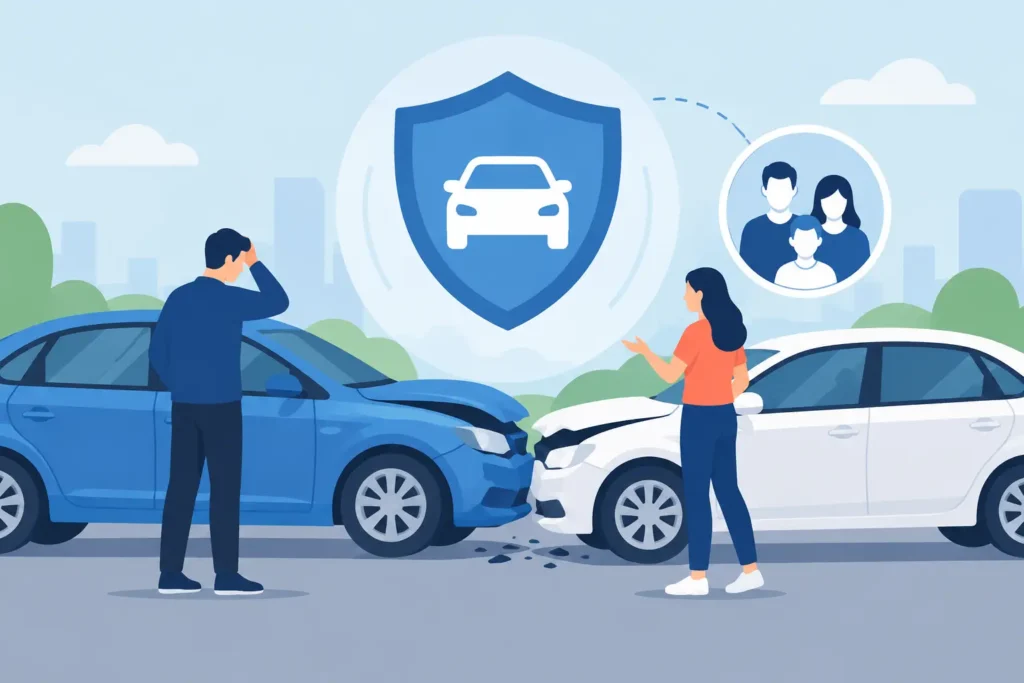
Your friend needs to get to work, your relative wants to borrow your SUV for the weekend, or your car is in the shop and a neighbor offers you theirs. It feels like a simple favor until someone asks the question that matters: does borrowed car insurance cover the driver if there is an accident?
Often, the vehicle owner’s auto policy is the first place a claim is considered. But “often” is not the same as “always.” Coverage can depend on who was driving, whether they had permission, the policy’s exclusions and limits, and what happened in the accident. A quick conversation before the keys change hands can prevent a stressful surprise later.
How borrowed car insurance usually works
Auto insurance generally follows the vehicle first for liability and physical damage coverage. That means if you lend your car to someone with your permission and they cause an accident, your policy may provide coverage up to its limits. Liability coverage can help pay for injuries or property damage the driver causes to others. If you carry collision coverage, it may also help repair your vehicle after a covered crash, subject to your deductible.
The person borrowing the car may have their own auto insurance, too. In many situations, that policy can provide secondary coverage after the owner’s policy limits are used. The exact order of coverage varies by carrier and policy language, so do not assume the borrower’s policy will automatically take over.
There is a practical consequence owners sometimes miss: even when someone else was behind the wheel, an at-fault claim can affect the owner’s insurance record, future premium, or renewal options. The car is yours, and the primary policy may be yours, so lending it is more than lending transportation.
Permission is a major part of the answer
For a borrowed-car claim, insurers commonly look at whether the driver had permission to use the vehicle. Permission can be explicit, such as saying, “Yes, you can take my truck to the store.” It can also be implied in some circumstances, such as a family member who regularly drives the car with the owner’s knowledge.
Problems arise when the driver takes the vehicle without permission, uses it beyond the agreed purpose, or lets another person drive it. For example, you may be comfortable with your cousin borrowing your car for an errand, but not with your cousin handing the keys to a friend you have never met. That second driver may not have the same protection.
Permission alone does not guarantee coverage. A policy can have restrictions, and an insurer will still investigate the facts of the loss. Be straightforward when discussing who drives your vehicle regularly and who may occasionally borrow it.
Occasional use is different from regular use
Letting a friend borrow your car once is different from letting them use it every week for commuting. If someone in your household or a frequent driver has regular access to your vehicle, they may need to be listed on the policy. This is especially common with adult children living at home, partners, roommates, and relatives who share errands or work schedules.
Not listing a regular driver can create claim complications and may affect how the carrier handles the policy. It can also leave you with an unpleasant billing adjustment if the insurer determines that a driver should have been disclosed earlier.
If a roommate occasionally borrows your car, ask your agent how your specific carrier treats that arrangement. The answer may depend on the policy and whether the roommate has their own active auto insurance.
What coverage may apply after an accident
The details of the accident matter just as much as the relationship between the owner and driver. Here is how common coverages may come into play.
Liability coverage may pay for injuries and damage to another person’s vehicle or property when the borrowed-car driver is at fault. Texas and New Mexico require drivers to carry minimum liability coverage, but state minimums may not go far in a serious crash. Medical bills, lost income, multiple vehicles, and property damage can exceed low limits quickly.
Collision coverage may help pay to repair the borrowed vehicle when it hits another vehicle or object, or rolls over. The owner’s deductible generally applies. If the borrower caused the accident, the owner may still need to pay that deductible up front, even if they later ask the borrower to reimburse it.
Comprehensive coverage may apply to non-collision losses, such as theft, hail, vandalism, or an animal strike. Again, the vehicle’s policy and deductible usually control the claim.
Uninsured or underinsured motorist coverage may help when another driver causes the accident but has no insurance or not enough coverage. This can be particularly valuable when the borrower is not at fault.
Medical payments coverage, personal injury protection, rental reimbursement, roadside assistance, and other optional benefits all have their own rules. They should not be assumed to transfer automatically just because the car was loaned to someone.
When coverage can be limited or denied
No one wants to think about a claim denial while doing a favor, but clear expectations are better than assumptions. Coverage may be limited or unavailable if the driver was excluded from the policy, did not have permission, was using the vehicle for an excluded purpose, or was engaged in illegal conduct.
Business use deserves special attention. Borrowing a personal vehicle for a quick work errand may be treated differently than using it regularly for deliveries, transporting passengers for hire, hauling tools, or operating a side business. A personal auto policy is not designed to cover every commercial activity.
A suspended or invalid license can also complicate a claim. So can driving under the influence, intentional damage, racing, or allowing an unapproved driver to take over. Each situation is fact-specific, and policy wording matters.
If you rent a car, use a car-sharing service, or borrow a vehicle from a dealership or repair shop, do not rely on the ordinary borrowed-car rules. Those arrangements come with separate contracts, coverage options, and exclusions.
Before you lend your car, make a smart move
You do not need to turn every loan of your vehicle into a legal meeting. Still, a few simple checks protect both people involved. Confirm that the borrower has a valid license and their own active auto insurance. Ask where they are going, how long they need the car, and whether anyone else will drive it.
It also helps to know your own policy basics: liability limits, collision and comprehensive deductibles, and whether there are named-driver exclusions. Keep your insurance identification card in the vehicle, along with registration information and a plan for what to do after an accident.
If you would not feel comfortable paying your deductible or dealing with a possible rate increase after that person crashes your car, it may be wiser not to lend it. That is not unfriendly. It is responsible.
If you borrow a car, do not assume you are fully protected
Borrowers should never treat another person’s insurance as a blank check. Ask the owner whether the car is insured and whether they are comfortable with you driving it. Carry your own auto insurance whenever possible, because it may provide additional protection if the owner’s limits are not enough.
Drive the borrowed vehicle as carefully as you would drive your own. If an accident happens, notify the owner right away, exchange information, document the scene if it is safe, and report the claim promptly. Waiting can make a routine claim harder to sort out.
A borrowed car can be a helpful solution, but the insurance answer is rarely one-size-fits-all. Farpon Insurance can compare policy options from multiple carriers and explain how your coverage may respond before a favor turns into a financial headache. Make a smart move: ask the coverage question before you hand over the keys.