
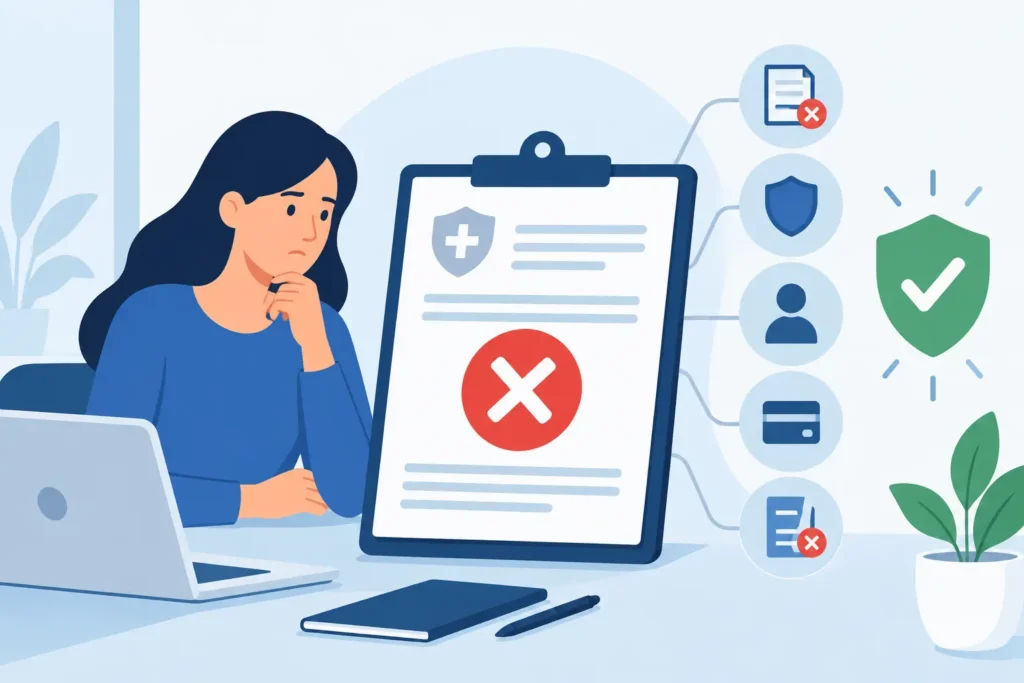
A claim denial can feel like a second emergency. Your car is damaged, your home has a leak, or your business equipment is gone – then you receive a letter saying coverage will not pay. The top reasons claims get denied are usually tied to policy details, missed reporting requirements, or information that does not match the loss. The good news is that many of these problems can be prevented before an accident or loss ever happens.
Insurance is designed to pay for covered losses, subject to the limits, deductibles, and conditions in your policy. It is not a blank check for every problem. Knowing where the lines are helps you make a smart move when choosing coverage and when filing a claim.
Top Reasons Claims Get Denied
The loss is not covered by the policy
The most straightforward denial is also one of the most frustrating: the event is simply excluded. A standard homeowners policy, for example, typically does not cover flood damage. An auto policy may not cover wear and tear, mechanical breakdown, or damage that occurred while a vehicle was being used in a way the policy does not allow.
This is where the lowest-priced policy can become expensive later. Coverage has limits, exclusions, and optional endorsements that vary by carrier. If you own an RV, motorcycle, rental property, work truck, or specialized business equipment, a standard policy may leave important gaps. The right answer depends on what you own, how you use it, and what financial risk you can realistically carry yourself.
Before a loss happens, ask direct questions: What is excluded? Are there special limits for jewelry, tools, electronics, trailers, or equipment? Do I need flood, wind, rental reimbursement, roadside, or commercial-use coverage? Clear answers are more useful than guessing based on a policy name.
The policy lapsed or was canceled
Coverage must be active on the date of loss. A missed payment, failed automatic draft, expired policy term, or cancellation for another reason can leave a policyholder without protection at exactly the wrong time.
Do not assume a grace period applies or that it will cover every situation. Payment rules differ by carrier and policy type. If your bank account changes, a card expires, or you move and stop receiving mail, confirm that the carrier has your current billing information. Review renewal notices instead of setting them aside.
For business owners, this matters beyond a single claim. A lapse in commercial auto, general liability, or required bond coverage can interrupt operations, affect contracts, and make the next policy more difficult or costly to obtain.
The application information was inaccurate
Insurers price and approve coverage based on the details provided when the policy starts. If a claim investigation finds material differences, the carrier may deny the claim, reduce payment, cancel the policy, or in serious cases investigate possible fraud.
Common examples include listing a vehicle as personal use when it is regularly used for deliveries, leaving out a household driver, reporting that a home is owner-occupied when it is rented out, or underestimating business revenue and payroll. These details may seem minor during a quick quote, but they can change the type of coverage needed.
Honest, complete information protects you. Tell your agent when a teen driver gets licensed, a family member moves in, a vehicle begins business use, or a property becomes a rental. Contractors and truckers should also report changes in vehicles, drivers, operations, and contracts. A policy should grow with your real life and business, not stay frozen at last year’s information.
There is not enough proof of the damage or loss
A carrier needs evidence to verify what happened, when it happened, who owned the damaged property, and what it will cost to repair or replace it. A claim can stall or be denied when the available evidence cannot support the request.
After an auto accident, take photos of the vehicles, scene, license plates, and visible damage when it is safe to do so. Exchange information and obtain a police report if one is available. After property damage, photograph the affected area before cleanup whenever possible, save damaged items if practical, and keep repair estimates and receipts.
For homeowners and renters, a basic home inventory can make a major difference. Photos or video of each room, serial numbers for valuable items, and saved purchase records give you a clearer starting point after theft, fire, or water damage. Business owners should keep equipment records, invoices, maintenance logs, and inventory records organized well before a loss occurs.
The claim was reported too late
Most policies require prompt notice of a loss. Waiting can make it harder to determine the cause of damage, inspect the scene, locate witnesses, or prevent additional harm. A slow report does not automatically mean denial, but it can create a serious problem when the delay affects the carrier’s ability to investigate.
Report a claim as soon as you reasonably can. If a pipe bursts, shut off the water, protect the property from further damage, and notify the carrier. If another driver hits your vehicle, start the claim process promptly even if you are still gathering information. Quick reporting also gives you a better chance to understand your next steps before repairs begin.
The policyholder did not prevent further damage
Insurance expects you to take reasonable steps after a loss. This is sometimes called the duty to mitigate. You do not have to put yourself in danger or perform major repairs without approval, but you should act to keep a covered problem from getting worse.
For example, after roof damage, covering an exposed opening with a tarp may help prevent rain from causing additional interior damage. After a car accident, moving a drivable vehicle out of traffic may avoid another collision. Save receipts for reasonable emergency measures and communicate with the adjuster about what you have done.
Ignoring a worsening problem can lead to disputes over which damage was caused by the original event and which damage occurred afterward. That distinction can affect payment.
The claim involves fraud or a failure to cooperate
Fraud includes intentionally false statements, altered documents, inflated repair costs, staged accidents, or claiming items that were not damaged or owned. It can lead to a denial, policy cancellation, civil liability, or criminal consequences.
Cooperation matters, too. The carrier may need photos, documents, recorded statements, inspections, or information about other parties involved. You should ask questions and protect your interests, but do not ignore requests or miss deadlines. If something in the claim record is wrong, correct it quickly and provide documentation that supports your position.
A Denial Is Not Always the Final Answer
A denial letter deserves a careful read. It should explain the policy provision, exclusion, condition, or factual reason the carrier relied on. Compare that explanation with your policy documents and the facts of the loss. A denial based on missing information may be resolved by supplying records, photos, or a clearer timeline. A disagreement about damage value may call for additional estimates or documentation.
Do not sign a release or accept a final payment until you understand what it covers. If you believe the decision is incorrect, ask the claims representative to explain the next review or appeal step. Keep your communication organized, write down dates and names, and save every email, letter, estimate, and receipt.
Build a Policy That Matches Your Life
The best time to reduce claim-denial risk is before you need to file. Review your policy at least once a year and after a major life or business change. Focus on what could create a real financial setback: a total vehicle loss, storm damage, theft of tools, liability from an accident, or a business interruption.
A local independent agent can compare carrier options and explain the tradeoffs in plain language. Farpon Insurance helps clients across Texas and New Mexico look beyond the monthly premium, so they can choose coverage that fits the way they actually live and work.
Keep your information current, store your policy documents where you can find them, and document what you own. Those small steps will not prevent every denial, but they can make a difficult day much easier to manage – and help you move forward with confidence.