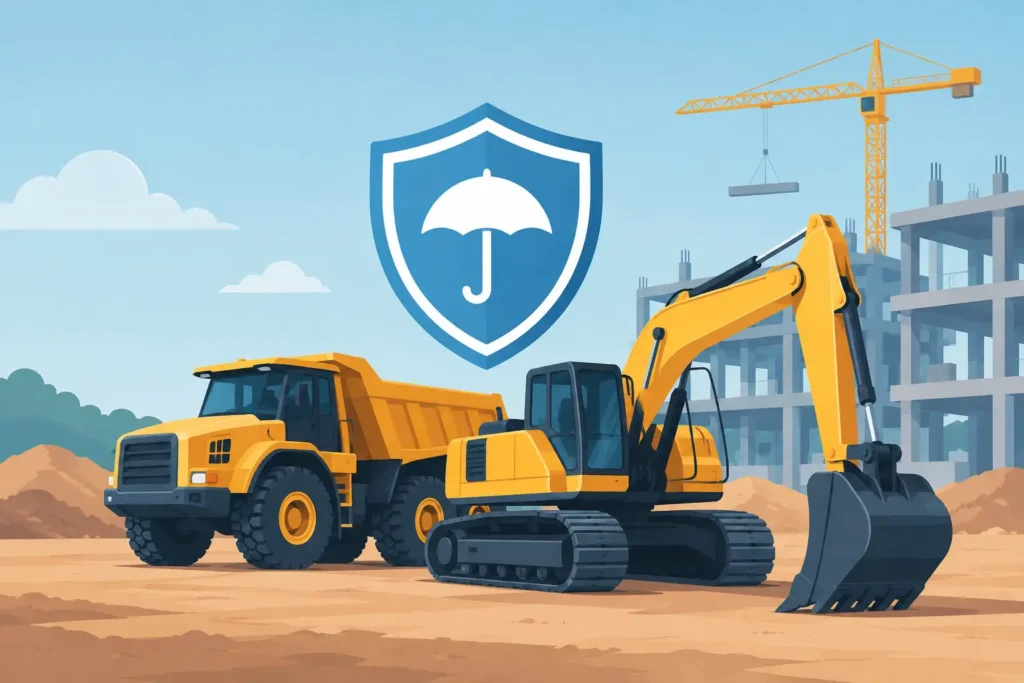
A stolen trailer full of tools can stop a small contracting business before the workday starts. So can a damaged skid steer, a generator that disappears from a jobsite, or a rented excavator that is hit while being transported. Contractor equipment insurance helps protect the machinery and tools that keep your crews productive, your deadlines realistic, and your business earning.
For contractors in El Paso, across Texas, and into New Mexico, equipment is rarely just equipment. It is the saw that finishes a remodel, the compact loader needed for a grading job, or the specialty tools that took years to build into your operation. The right policy can help you recover from a covered loss without draining the cash you need for payroll, materials, and the next project.
What contractor equipment insurance typically covers
Contractor equipment insurance is commonly written as inland marine coverage, sometimes called contractors equipment coverage. Despite the name, it has nothing to do with boats. “Inland marine” is insurance language for valuable property that moves from place to place or is kept away from a fixed business location.
That matters because many business property policies are designed around a building and the items kept inside it. Contractors do not work that way. Equipment may be in a truck, on a trailer, at a customer’s property, in a storage yard, or moving between jobsites all week.
A policy may cover owned equipment such as power tools, welders, compressors, generators, ladders, surveying equipment, trenchers, lifts, skid steers, backhoes, and other mobile machinery. Depending on the policy, it can also address certain borrowed, rented, or leased equipment. Covered causes of loss often include theft, fire, vandalism, collision, and some weather-related damage.
The exact protection depends on the form and endorsements you choose. A broad policy can be valuable, but it still has exclusions, deductibles, limits, and conditions. For example, normal wear and tear, mechanical breakdown, rust, faulty workmanship, and unexplained disappearance may not be covered the same way as a sudden theft or accidental damage. This is where a quick quote based only on price can create a costly gap.
The losses contractors often overlook
Most owners know they need protection for a large machine. The surprise comes when smaller, everyday items add up. A work truck may carry thousands of dollars in hand tools, battery-powered equipment, cords, laser levels, and specialty gear. Replacing those items one at a time at retail prices can hurt more than expected.
The location of the loss matters, too. Theft from an unattended vehicle, a jobsite, or an unfenced storage area may come with specific policy requirements. Some carriers may require signs of forced entry for tools left in a vehicle. Others may set sublimits for theft or impose different terms for equipment stored overnight. A contractor who works across state lines or leaves equipment at multiple jobsites should make that part of the coverage conversation.
Transportation is another pressure point. A piece of equipment can be damaged while being loaded, hauled, or unloaded. The vehicle policy may address damage to the truck or trailer, but it does not automatically mean the equipment being carried is fully protected. Separate equipment coverage helps close that conversation before an accident forces it.
Rental equipment deserves special attention. Many rental agreements make the contractor responsible for damage, theft, and ongoing rental charges while the equipment is out of service. The damage waiver offered at the rental counter may help in some situations, but it is not always a complete substitute for a policy built around your business. Ask how rented and leased items are treated before signing the rental agreement.
Choosing limits that match the work you do
The best limit is not a number pulled from memory. Start with a current equipment inventory. Include larger machinery, trailers, attached equipment, and the smaller tools your crew relies on every day. Record serial numbers, purchase dates, receipts when available, and photos. Keep a copy somewhere other than the job trailer or work truck.
Then decide whether the policy should be based on actual cash value or replacement cost. Actual cash value generally reflects depreciation. It may cost less up front, but a claim payment can be lower because older equipment is worth less on paper. Replacement cost coverage may offer a stronger recovery for qualifying items, although it usually costs more and may have conditions. There is no one right answer. A newer fleet or a contractor who cannot afford downtime may lean toward replacement cost, while another business may prioritize a lower premium and accept more out-of-pocket risk.
Do not forget equipment you acquire during the year. Many contractors buy a new trailer, upgrade tools, or rent larger machinery when a project expands. Some policies include a limited amount of newly acquired property coverage, but that temporary limit may not be enough. Update the policy as the business changes instead of waiting for renewal.
Consider your deductible as a business decision
A higher deductible can reduce premium, which may make sense for a contractor with stable cash flow and smaller claims they can comfortably handle. But the deductible should not be so high that reporting a meaningful loss becomes impractical. Think about the amount you could pay tomorrow, not the amount you hope to have available after a slow month.
Equipment coverage is not the whole insurance plan
Contractor equipment insurance protects property. It does not replace general liability insurance, which can respond when your work causes bodily injury or property damage to others. It also does not replace commercial auto coverage for vehicles, workers’ compensation for employee injuries, or a business owners policy for office contents and other exposures.
Many contractors need a coordinated package because customers, general contractors, and project owners often have insurance requirements written into contracts. They may ask for certificates of insurance, additional insured status, waiver of subrogation, or specific liability limits. Equipment coverage may not be named in every contract, but losing essential machinery can still make it impossible to complete the work you won.
For contractors who use trailers, make sure the trailer itself and the equipment inside it are both discussed. They may be insured under different parts of the insurance program. The same goes for permanently attached equipment, mobile equipment driven on public roads, and tools owned personally but used for business. Ownership and use can affect how a claim is handled.
How to make a smart coverage decision
A good quote starts with a practical conversation, not a guess. Be ready to explain the kind of work you perform, where equipment is stored, how often it travels, whether crews take tools home, and whether you rent or borrow machinery. Those details help identify which carrier options fit your actual operation.
Price matters, especially for a growing business. But compare deductibles, covered property, theft conditions, valuation method, rental equipment protection, and exclusions before choosing the lowest number. A less expensive policy can be a smart move if its terms fit your risk. It is not a smart move if a common jobsite loss falls outside the coverage you thought you bought.
Farpon Insurance can compare options from multiple carriers and explain the pros, tradeoffs, and recommended choices in plain language. You make the final decision, while an experienced local team handles the carrier comparison work that can otherwise take hours.
Keep your policy ready for the real world
Insurance works better when your records are current. Review equipment values at least once a year and after a major purchase. Save photos and serial numbers. Use locks, lighting, secure storage, trailer coupler locks, and jobsite procedures that reduce theft opportunities. Those steps can help prevent losses and make a claim easier to document if one occurs.
If a loss happens, report it quickly, document the damage or theft, and keep receipts for reasonable steps taken to protect remaining property. For theft, a police report is often essential. Avoid disposing of damaged equipment until the insurer gives direction, unless leaving it in place creates a safety issue.
Your tools and machinery help turn bids into completed jobs. Protecting them is not about expecting the worst. It is about being ready to keep working when an unexpected loss tries to put your business on pause.