
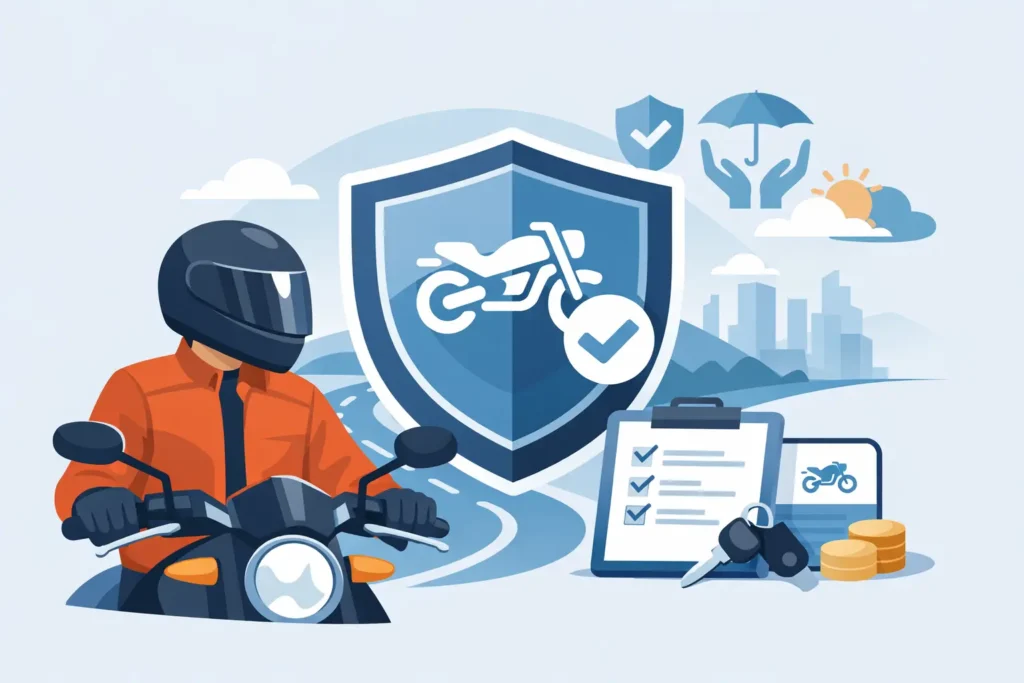
That first ride can feel like freedom: a new helmet, an open route, and a bike that finally belongs to you. But a minor tip-over in a parking lot, a driver who fails to see you at an intersection, or a stolen motorcycle can turn that excitement into an expensive problem fast. Motorcycle insurance for new riders is not just about getting legal before you ride. It is about making sure one bad moment does not put your bike, savings, or future riding plans at risk.
The right policy should be easy to understand and built around how you actually ride. Whether you commute around El Paso, take weekend rides through Texas and New Mexico, or are learning on a smaller motorcycle, a smart policy balances a monthly payment you can handle with coverage that can truly help when you need it.
Motorcycle insurance for new riders starts with more than price
A low premium can look great until you need to file a claim. The cheapest policy may meet a state requirement while leaving you responsible for major costs after an accident. That does not mean every new rider needs the most expensive available policy. It means you should understand what each coverage does before deciding where to save.
Liability coverage is the foundation. If you cause an accident that injures someone or damages their vehicle or property, liability coverage can pay up to your selected limits. Texas and New Mexico require riders to carry liability insurance, but state minimums are often only a starting point. Medical bills, a newer vehicle, or damage to a business property can exceed a minimum-limit policy quickly.
Protecting your own motorcycle
Collision coverage helps repair or replace your motorcycle after a crash with another vehicle or object, regardless of who caused it. This is especially worth considering if you financed your bike, since lenders commonly require it. It can also make sense for a motorcycle you could not comfortably replace out of pocket.
Comprehensive coverage handles many non-collision losses, such as theft, fire, vandalism, weather damage, or striking an animal. Motorcycles can be more exposed to theft than cars, particularly when parked outside or stored in a shared garage. A policy with comprehensive coverage may be a practical choice even if you do not ride every day.
Both collision and comprehensive come with a deductible. That is the amount you pay toward a covered loss before insurance contributes. Choosing a higher deductible can lower your premium, but make sure the amount is realistic for your budget. Saving a few dollars each month is not helpful if a $1,500 deductible would be difficult to pay after an accident.
Coverage for injuries and uninsured drivers
Your health insurance may help after a motorcycle crash, but it may not cover every cost. Depending on your situation and the policy options available, medical payments coverage or personal injury protection can help with medical expenses. These choices vary by state and carrier, so it is worth asking what applies to your policy.
Uninsured and underinsured motorist coverage deserves close attention, too. If another driver causes an accident but has no insurance or not enough insurance, this coverage may help with your injuries and certain related losses. New riders sometimes focus only on the damage to the bike. The bigger financial risk can be an injury that keeps you from working or creates bills long after the motorcycle is repaired.
Choose limits based on the real risk
Insurance limits are the maximum amount a carrier will pay for a covered claim. Higher limits generally cost more, but the difference is often smaller than riders expect. The goal is not to guess at a perfect number. It is to avoid choosing limits solely because they are the lowest permitted option.
Think about what could happen in a serious crash. Could you cause a multi-car accident? Could a passenger be hurt? Could you damage a high-value SUV or injure a driver who needs ongoing care? Those are the situations where stronger liability limits can matter most.
Your motorcycle, income, assets, household responsibilities, and riding habits all affect the right answer. A rider with a paid-off starter bike may make different choices than someone financing a new touring motorcycle. If you ride with a passenger, commute in heavy traffic, or take longer highway trips, that can also change the conversation.
Details new riders often miss on a quote
Insurance carriers use several details to calculate a motorcycle premium. Your driving record, age, location, motorcycle type, experience level, and prior insurance history all matter. Be accurate when getting quotes. Leaving out information may create trouble later if a policy needs to be corrected or a claim is reviewed.
The motorcycle itself matters, too. A standard bike, cruiser, sport bike, touring motorcycle, and high-performance model may be rated very differently. Engine size is only part of the picture. Repair costs, theft history, and the type of rider a model typically attracts can affect the rate.
Also ask about accessories and custom parts. Saddlebags, upgraded exhaust systems, navigation equipment, custom paint, and riding gear may not automatically be covered to the level you expect. If you have put money into making the bike your own, make sure the policy reflects that investment.
If you ride only during certain seasons, do not assume dropping coverage is the best way to save. A motorcycle can still be stolen, damaged by weather, or affected by a fire while parked. Keeping comprehensive coverage in place during storage may be a better fit than canceling the policy completely. The best option depends on your bike, storage situation, and comfort with the risk.
Ways to lower the cost without cutting the wrong coverage
New riders can pay more because they have less riding history, but there are legitimate ways to improve the price. Completing an approved motorcycle safety course may qualify you for a discount with some carriers while also building skills that matter on the road. A clean driving record helps, even if the violations happened in a car rather than on a motorcycle.
You may also save by bundling motorcycle insurance with auto, home, renters, or another eligible policy. Paying in full, using certain payment methods, installing approved anti-theft devices, and maintaining continuous coverage can help in some cases. Available discounts differ by carrier, which is why it pays to compare the full policy rather than chase one advertised rate.
Be careful with coverage changes that create a false sense of savings. Raising every deductible, removing uninsured motorist coverage, or carrying only minimum liability may reduce the premium, but it can leave a much larger gap after a loss. Make a smart move by deciding which risks you can afford to retain and which ones you want your insurance to handle.
Let an agent compare the trade-offs
A good quote is not just a number on a screen. It should show you what you are buying, where the limits apply, what the deductible means, and whether the policy includes the protection you care about. For a new rider, that clarity can be more valuable than a quick quote that leaves questions unanswered.
An independent agency can compare options from multiple carriers and explain the pros and cons in plain language. Farpon Insurance helps riders across Texas and New Mexico sort through coverage choices without asking them to call carrier after carrier. You make the final decision, but you do not have to make it alone. Con Orgullo Hablamos Español!
Before you bind your first motorcycle policy
Take a moment to confirm five practical details before coverage begins:
- Your liability limits are more than a number chosen only to meet a legal requirement.
- Your deductible is an amount you could pay if you had a covered claim tomorrow.
- Collision and comprehensive coverage match the value of your motorcycle and any lender requirements.
- Passenger coverage, uninsured motorist protection, and medical-related options have been discussed.
- Your accessories, storage location, mileage, and regular riders are accurately listed.
Your first policy does not have to be your forever policy. As your experience grows, your bike changes, or your budget shifts, you can review the coverage at renewal and adjust it. Start with protection you understand, ride with care, and give yourself the confidence to enjoy the miles ahead.