
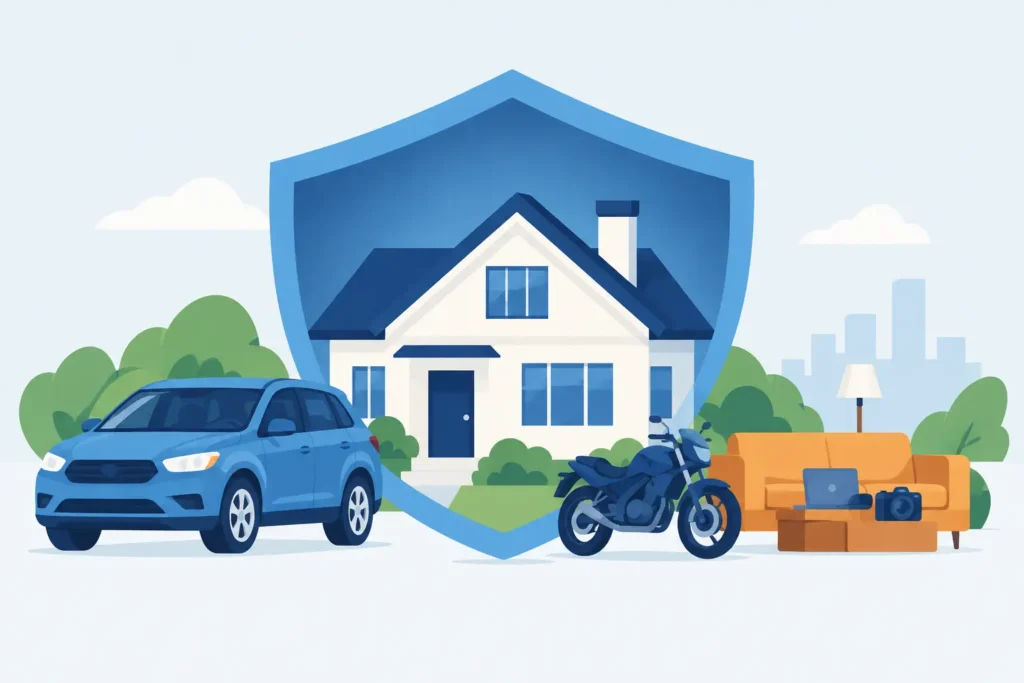
A roof can look perfectly fine until a windstorm exposes a weak spot. A small plumbing leak can turn into damaged flooring, drywall, and furniture before the day is over. For homeowners, renters, landlords, and business owners, property insurance is the financial backup that helps turn a major surprise into a manageable claim.
The right policy is not simply the lowest-priced one. It should reflect what you own, how you use it, and what it would realistically cost to repair or replace after a covered loss. That takes a little more thought than checking a box online, but it can make a major difference when you need your coverage most.
What Property Insurance Can Protect
Property insurance is a broad term. Depending on the policy, it can protect a house, condo, apartment contents, rental property, commercial building, equipment, inventory, or other physical assets. The details matter because a homeowner policy, renters policy, landlord policy, and business property policy do not protect the same things.
A homeowners policy generally combines coverage for the structure of your home, your personal belongings, certain detached structures, additional living expenses after a covered loss, and personal liability. If a covered fire damages your kitchen, for example, the policy may help pay to repair the home and replace damaged belongings, subject to limits and deductibles.
Renters insurance does not insure the apartment building itself – that is the landlord’s responsibility. It can protect your furniture, electronics, clothing, and other personal property, while also providing liability coverage. For many renters, it is an affordable way to avoid having to start over from scratch after theft, fire, or a covered water loss.
Landlords need a different approach. A rental property policy may cover the building, landlord-owned items at the property, and loss of rental income after a covered claim. It typically does not cover a tenant’s belongings, which is one reason landlords often require renters insurance.
For a business owner, commercial property coverage can help protect the place you operate, whether you own the building or lease space. It may also cover tools, machinery, office furniture, inventory, and equipment. A contractor’s tools, a retailer’s merchandise, and a trucker’s business equipment may all need coverage designed around the way that property is used.
The Difference Between Covered Losses and Every Loss
Insurance is designed for sudden, accidental events that are covered by your policy. It is not a maintenance plan. This distinction is where many coverage misunderstandings begin.
Common covered causes of loss may include fire, theft, certain types of wind damage, vandalism, smoke, and sudden accidental water damage. But the exact list depends on the policy form and endorsements you select. A policy may help with a burst pipe, for instance, while damage caused by a slow leak that went unrepaired for months may be excluded.
Flood damage is another important example. Standard home and business property policies commonly do not cover flooding from rising water, overflowing waterways, or storm surge. In parts of Texas and New Mexico, a heavy rain event can create flooding where people least expect it. Separate flood coverage may be worth discussing even if your property is not near a river or lake.
Earth movement, wear and tear, mold, pests, intentional damage, and mechanical breakdown are also often limited or excluded. Some coverage can be added by endorsement; other risks require a separate policy. The smart move is to ask about the situations that concern you before a claim happens, not after.
Replacement Cost vs. Actual Cash Value
One of the most important choices in a property policy is how losses are valued. Replacement cost coverage is intended to help replace or repair covered property with comparable new materials, without deducting for depreciation, up to the policy terms and limits.
Actual cash value coverage accounts for depreciation. If an older television, roof, or piece of equipment is damaged, the payment may reflect its used value rather than what it costs to buy a new replacement. Actual cash value policies can cost less upfront, but the out-of-pocket difference after a loss can be substantial.
This is not a one-size-fits-all decision. A property owner with a tight monthly budget may choose a higher deductible or different valuation option to control premium. The key is knowing what tradeoff you are making.
How Much Property Insurance Do You Need?
The amount of insurance should be based on the cost to rebuild or replace, not simply the price you paid for the property. A home’s market value includes land, location, and local demand. Those factors do not necessarily match construction costs after a widespread storm or fire.
For a home or building, review the estimated replacement cost. Construction materials, square footage, roof type, custom features, renovations, and local labor costs all influence that figure. If you remodeled a kitchen, added a room, built a workshop, or upgraded fixtures, your existing policy may need an update.
For personal property, take a home inventory. Walk through each room and record the items you own, including furniture, appliances, electronics, jewelry, sporting goods, tools, and collectibles. Photos and short videos are useful, especially when paired with receipts or serial numbers for higher-value items. Store the inventory somewhere you can access even if your home is damaged.
Some categories have special limits. Jewelry, firearms, art, collectibles, cash, and certain business property kept at home may have lower coverage limits unless they are specifically scheduled or endorsed. If an item would be difficult or expensive to replace, bring it up during your policy review.
Deductibles: The Number That Changes a Claim
A deductible is the amount you pay before insurance contributes to a covered claim. Choosing a higher deductible can reduce your premium, but it also means taking on more of the cost when something happens.
Consider what you could comfortably pay without borrowing money or delaying urgent repairs. A $5,000 deductible may make sense for one household or business and be stressful for another. It is also wise to ask whether the policy has separate deductibles for wind, hail, or named storms. Those deductibles can work differently from the standard deductible and may be calculated as a percentage of the insured value.
Do not choose a deductible only because it makes the quote look attractive. Choose one that fits your real emergency budget.
Property Insurance for Texas and New Mexico Owners
Weather, construction, and property use vary across Texas and New Mexico. A policy that looks good on paper may have a gap that matters for your location or type of property. Wind and hail exposure, monsoon rain, wildfire risk, roof condition, vacant periods, and the age of plumbing can all affect available coverage and pricing.
Business owners have additional questions to consider. Is inventory adequately insured during busy season? Are tools covered away from the main location? Does leased equipment need separate protection? Would a covered loss force you to close temporarily, and do you have business income coverage to help with ongoing expenses? These details can be the difference between reopening quickly and facing a long interruption.
If you own a rental property, be clear about whether it is long-term rented, vacant, under renovation, or used for short-term stays. Each situation can affect the policy you need. If your circumstances change, tell your agent instead of assuming the old coverage still applies.
Compare More Than the Premium
A low premium is worth considering, but it should not be the only number on the page. Compare the deductible, property limits, replacement cost terms, exclusions, endorsements, and claims service options. Two quotes can have similar prices while offering very different protection.
This is where an independent agency can save time. Rather than calling carrier after carrier, Farpon Insurance can compare options from multiple insurers, explain the pros and cons in plain language, and help you choose coverage that matches your budget. You make the final decision, with a local team available when questions come up. Con Orgullo Hablamos Español.
Before you renew or buy a policy, gather the basics: the property address, construction details, recent upgrades, a rough inventory of belongings or business equipment, and any prior claims. Then ask direct questions about what is covered, what is excluded, and what you would pay out of pocket after a claim.
A good property policy should let you get back to normal sooner after the unexpected. Take a few minutes to review yours now, while you have time to make a smart move.